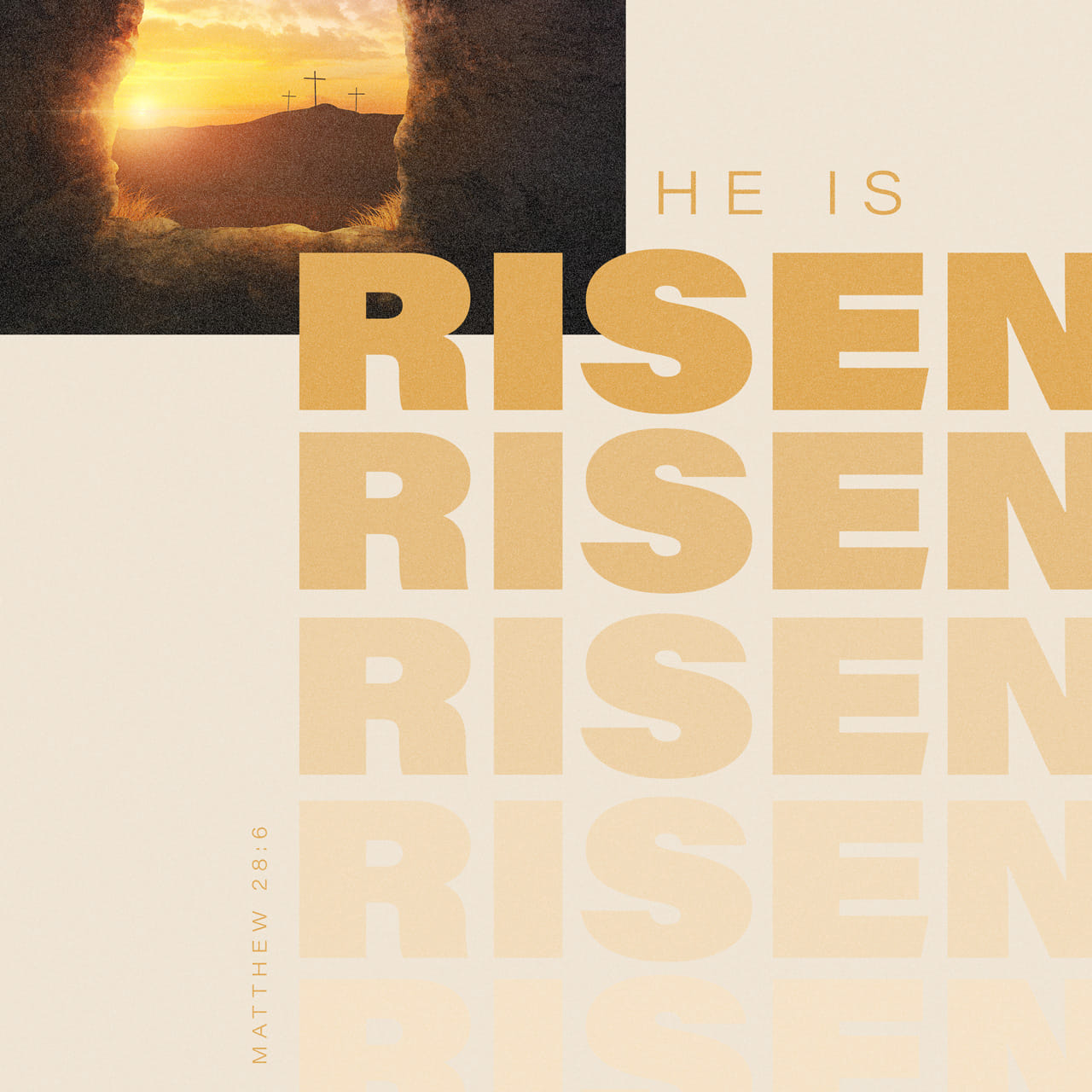
Mark 16:9-11
Intro Questions
- God is ... What do we learn about God in this passage?
- We are ... What do we learn about people in this passage?
- I will ... What has the Holy Spirit revealed to us in this passage? How can I apply it to my life this week?
- You can ... Who do you know who needs to hear this? Feel free to share with others by social media links at the bottom of this.
OPEN:
- Describe a time when you mistook someone for the wrong person.
- Would you have responded more like Mary or like the disciples? Why?
- Does Mary appear to be quietly grieving, or more hysterical? What finally breaks through her grief and confusion (John 19:16)?
- What term (John 19:17) does Jesus use for his disciples here? What is new in their relationship from now on (John 15:15)?
- How has Jesus spoken your name in a time of grief? How did it affect you?
- What does it mean to you that Jesus is your brother?
https://youtu.be/cPSDQ0Pqm9s
https://youtu.be/RULSTlLFmN4

Doing the “Impossible”
In India, Dashrath Manjh became known as “Mountain Man” because he single-handedly cut a road through a mountain using only a hammer and chisel—and 22 years. In the eastern part of India, Loungi Bhuiya had watched young men, including his four sons, leave the village because farming was almost impossible in the region. There was plenty of water, but the rainfall quickly ran into the Falgu River and swept away. If only a canal could divert water from a forest source into a village pond, it could be used for irrigation. However, the canal would need to be at least two miles long.
Remembering Manjh, thirty years ago, Loungi Bhuiya picked up a mattock and a basket while he led his cattle out to the field. While he tended his cattle, he chopped the turf and used a two-foot diameter basket to toss the dirt aside. Slowly, a ditch began to take shape. Absolutely nobody in the village helped. Four feet wide, three feet deep, basket after basket emptied beside the ditch. Teased and ridiculed, Bhuiya kept working. His reputation grew year after year as the ditch lengthened. A couple of months ago, the last few inches fell and water began to flow two miles to the thirsty fields. Suddenly, everybody wants to be his friend and Mahindra has given him a tractor to enlarge and maintain the canal! Doubts washed away in the life-giving flow.
“Jesus said, ‘Do not hold on to me, for I have not yet returned to the Father. Go instead to my brothers and tell them, “I am returning to my Father and your Father, to my God and your God”’” (John 20:18 NIV).
During the years of Jesus’ earthly life and ministry, His own brothers did not believe Him to be the Christ, the Son of God. Their teasing is related in John 7 and the apostle plainly declares that His brothers did not believe in Him (John 7:5). It is hard for us to accept that even in the face of the miracles Jesus performed, His brothers would not recognize Him as Messiah. And then He was arrested, condemned and crucified—and rose from the dead on the third day. Any doubts they might have had were washed away in the sunburst of glory from the empty tomb. Having seen Him alive again, Jesus’ brothers were utterly convinced and committed themselves to Him. Two of them, James and Jude, contributed inspired books to the New Testament.
No matter how “impossible” it might seem for Jesus to rise from the dead, His resurrection is a fact. The reality of His resurrection makes it obvious that He is more than mere mortal. The ancients were far better acquainted with death—and violent death—than we are and they knew beyond any doubt that Jesus died on that cross. They saw to it that He was buried in a rock tomb and a guard was placed to prevent any meddling. And yet on the third day, Jesus walked out alive, doing what couldn’t be done. Now He wants everybody to be His friend and to share in the resurrection life that flows from Him. There is no reasonable doubt about Jesus’ divine nature. Only He could rise from the dead and only He can grant that same life to you and me.